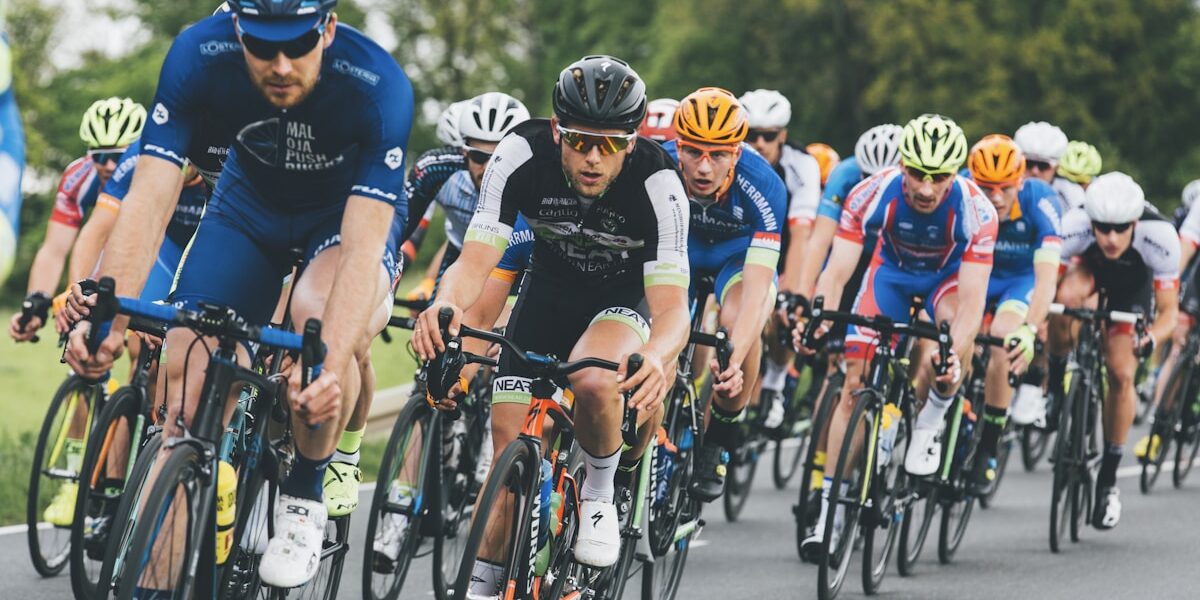
Cycling gels are concentrated carbohydrate packets designed to fuel high-intensity rides and prevent bonking during long endurance efforts. Understanding when, how, and which gels to use can mean the difference between finishing strong and hitting the wall at mile 60 of your century ride.
What Are Cycling Gels?
Cycling gels (also called energy gels) are portable, easily digestible carbohydrate supplements packaged in single-serving pouches. They typically contain 20-30 grams of carbohydrates in semi-liquid form, providing quick energy without requiring solid food digestion.
Why Gels Instead of Real Food?
- Fast absorption: Liquid carbs enter bloodstream in 10-15 minutes vs 30-45 for solid food
- No chewing required: Easy to consume while riding hard
- Portable: Fits in jersey pocket without crushing
- Precise dosing: Known carb content for fueling strategy
- Low fiber: Minimal GI distress compared to bars or whole foods
When to Use Cycling Gels
Rides Under 60 Minutes: Skip Them
Your body stores 90-120 minutes of glycogen for moderate-intensity riding. Short rides don’t deplete stores enough to require mid-ride fueling. Water is sufficient.
Rides 60-90 Minutes: Optional
For easy-paced rides, skip gels. For high-intensity efforts (threshold work, group rides, races), one gel at 45 minutes helps maintain power output.
Rides 90+ Minutes: Essential
After 90 minutes of riding, glycogen depletion begins affecting performance. Start fueling at 45-60 minutes and continue every 30-45 minutes to prevent bonking.
Racing: Strategic Use
- Criteriums (30-60 minutes): One gel 15 minutes before start
- Road races (2-4 hours): Gel every 30-40 minutes
- Gran fondos/centuries: Gel every 45 minutes plus real food at rest stops
How Many Gels Do You Need?
The 30-60 Gram Rule
Target 30-60 grams of carbohydrates per hour during rides over 90 minutes. Individual needs vary based on:
- Body weight: Heavier riders need more fuel
- Intensity: Harder efforts burn more glycogen
- Fitness level: Trained athletes metabolize fat better, sparing glycogen
- Gut tolerance: Some riders can’t absorb 60g/hour without GI issues
Example: 3-Hour Endurance Ride
- Total carbs needed: 90-180 grams (3 hours × 30-60g)
- Gels required: 3-6 gels (assuming 25g per gel)
- Timing: One gel every 30-45 minutes starting at 45 minutes
Types of Cycling Gels
1. Standard Carbohydrate Gels
Examples: GU Energy Gel, PowerBar PowerGel, Clif Shot
Carbs: 20-25g per serving
Ingredients: Maltodextrin, fructose, sometimes caffeine
Balanced glucose/fructose ratio for steady energy. Good for most riders and situations.
2. Isotonic Gels (No Water Required)
Examples: Science in Sport GO Isotonic, Maurten Gel 100
Carbs: 22-25g per serving
Pre-mixed with water to match blood concentration. Can be consumed without additional water, ideal for races where drinking is difficult.
3. High-Carb Gels
Examples: Maurten Gel 100 CAF 100, SIS Beta Fuel
Carbs: 40-60g per serving
Double the carbs of standard gels for riders who can tolerate high intake rates. Reduces number of gels needed but increases GI distress risk.
4. Caffeine Gels
Examples: GU Energy Gel (caffeine), Clif Shot (caffeine)
Caffeine: 20-50mg per gel
Adds mental alertness and perceived effort reduction. Save for final hour of long rides or key race moments. Limit to 200-300mg caffeine total to avoid jitters.
5. Natural/Organic Gels
Examples: Honey Stinger, Huma Chia Energy Gel
Ingredients: Fruit purees, honey, chia seeds
Real-food ingredients for riders avoiding artificial sweeteners. Slightly slower absorption than maltodextrin-based gels.
How to Use Cycling Gels Properly
Timing Protocol
- Start early: Don’t wait until you feel tired. Begin fueling at 45-60 minutes.
- Regular intervals: Set watch timer for 30-45 minute reminders.
- Before climbs: Take gel 10-15 minutes before major climbs for energy peak.
- With water: Drink 4-8oz water with each gel to aid absorption (except isotonic gels).
Consumption Technique
- Tear open gel while coasting or on straight road
- Squeeze half the gel into mouth, swallow
- Sip water to wash down
- Squeeze remaining gel, swallow
- More water to finish
- Pocket empty packet or trash properly
Pro tip: Tear corner off gel 5 minutes before you need it for easier one-handed opening while riding.
Common Mistakes to Avoid
- Taking without water: Causes stomach cramps and slows absorption
- Waiting until you’re bonking: Too late to recover, start earlier
- Trying new gels on race day: Always test in training first
- Taking too many too fast: Causes GI distress, stick to 1 per 30-45 minutes
- Neglecting electrolytes: Gels provide carbs but not sodium—need sports drink or salt tabs
Best Cycling Gels by Category
Best Overall: GU Energy Gel
Price: $1.25-1.50 per gel
Industry standard with proven track record. Available everywhere, wide flavor variety, reliable performance. The gel everyone compares others to.
Best Taste: Huma Chia Energy Gel
Price: $2.00-2.50 per gel
Real fruit flavors, natural ingredients, pleasant texture. Premium price but worth it for riders who struggle with artificial gel flavors.
Best for Sensitive Stomachs: Maurten Gel 100
Price: $2.50-3.00 per gel
Hydrogel technology encapsulates carbs, reducing GI distress. Used by pro teams. Expensive but game-changing for riders who usually can’t tolerate gels.
Best Budget Option: PowerBar PowerGel
Price: $1.00-1.25 per gel
Solid performance at lower cost. Buy in bulk (24-packs) for even better value. Works as well as premium options for most riders.
Best Natural Option: Honey Stinger
Price: $1.50-2.00 per gel
Honey-based, organic ingredients, no artificial flavors. Tastes less chemical than standard gels while providing same carb content.
Alternatives to Gels
Energy Chews/Blocks
Examples: Clif Shot Bloks, GU Energy Chews
Gummy-candy format providing same carbs as gels. Pros: Better taste, easier to portion. Cons: Requires chewing, slower absorption.
Drink Mix Only
Examples: Skratch, SIS GO, Maurten Drink Mix
High-carb sports drinks (60-90g per bottle) eliminate need for gels. Pros: Continuous fueling, no GI issues. Cons: Need to drink large volumes, heavy bottles.
Real Food
Examples: Bananas, rice cakes, PB&J, dates
Whole foods work great for moderate-intensity long rides. Pros: Tastier, cheaper, more satisfying. Cons: Slower digestion, bulky to carry, difficult to eat at high intensity.
Training Your Gut for Gel Tolerance
Your digestive system needs training just like your legs. Many riders experience GI distress when starting gel use, but adaptation occurs over 4-6 weeks.
Gut Training Protocol
- Week 1-2: One gel per ride on easy-paced 90-minute rides
- Week 3-4: Two gels per ride, increase intensity slightly
- Week 5-6: Full race-day fueling protocol (gel every 45 minutes)
- Week 7+: Experiment with higher intake rates if desired
Always practice fueling during training rides that simulate race intensity. Your stomach behaves differently at threshold than at endurance pace.
Fueling Strategy for Different Ride Types
Century Ride (100 Miles, 5-6 Hours)
- Pre-ride: Large breakfast 2-3 hours before, gel 15 minutes before start
- During: Gel every 45 minutes + real food at rest stops + sports drink
- Total gels: 6-8 gels
Criterium Race (45-60 Minutes)
- Pre-race: Gel 15 minutes before start
- During: Nothing (race too short and intense to fuel mid-race)
- Total gels: 1 gel
3-Hour Endurance Training Ride
- Pre-ride: Normal breakfast 2 hours before
- During: Gel every 45 minutes starting at 60 minutes + sports drink
- Total gels: 3-4 gels
4-Hour Gran Fondo with Climbing
- Pre-ride: Large breakfast + gel before start
- During: Gel every 30-40 minutes (higher intensity requires more frequent fueling)
- Total gels: 6-7 gels
Cost Considerations
Price per gel: $1.00-3.00
Cost for 100-mile ride (8 gels): $8-24
High-volume training gets expensive. Cost-saving strategies:
- Buy bulk: 24-packs reduce per-gel cost by 20-30%
- Mix formats: Use cheaper chews or drink mix for training, save premium gels for racing
- DIY options: Homemade gels from maltodextrin + fruit juice (requires prep time)
- Real food for training: Bananas and rice cakes cost $0.30 vs $2.00 for premium gels
Final Recommendations
For Most Riders: GU Energy Gel or PowerBar PowerGel provides proven performance at reasonable cost. Start with variety pack to find flavors you tolerate.
For Sensitive Stomachs: Maurten Gel 100 or Science in Sport Isotonic gels minimize GI distress through specialized formulations.
For Natural Preference: Honey Stinger or Huma Chia gels use real-food ingredients without sacrificing performance.
For Budget-Conscious Training: Mix cheap gels/chews for weekday rides, save premium options for weekend long rides and races.
Start using gels on rides over 90 minutes, practice your fueling strategy in training, and never try new products on race day. Proper fueling with cycling gels will help you ride stronger, longer, and avoid the dreaded bonk.


Leave a Reply