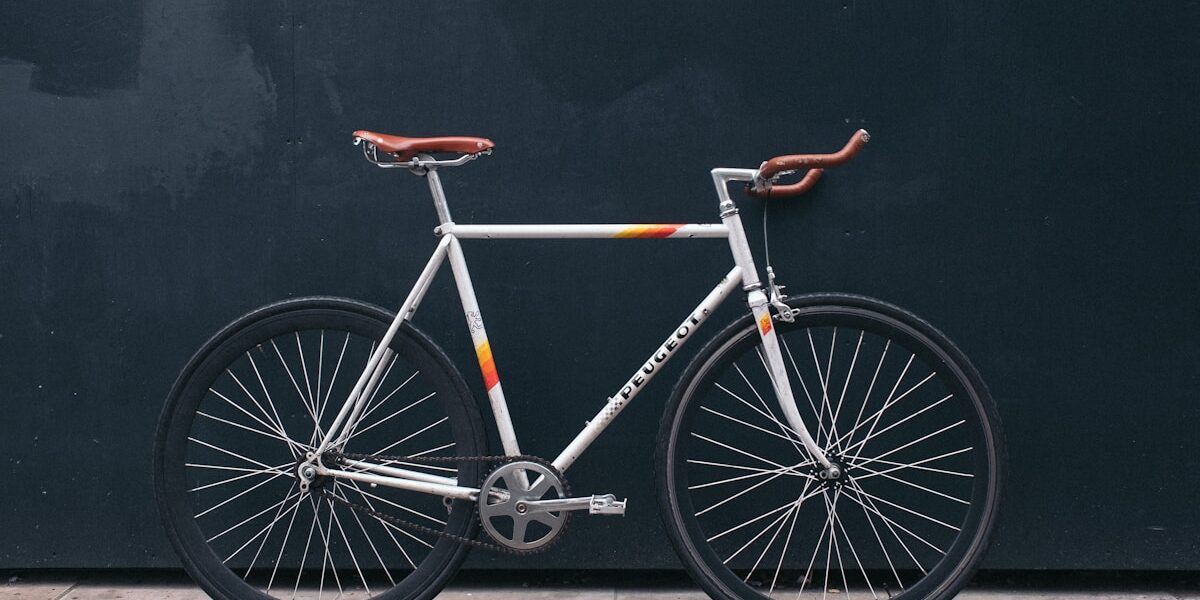
Road bike tire width has evolved dramatically over the past decade. Where 23mm tires were once the pro standard, modern road bikes increasingly ship with 28mm or even 32mm tires. This comparison examines the real-world differences between 25mm, 28mm, and 32mm tires to help you choose the optimal width for your riding style and terrain.
The Tire Width Revolution
For decades, conventional wisdom held that narrower tires were faster—less rubber meant less rolling resistance. Professional cyclists raced on 19-21mm tires pumped to 130+ PSI. However, modern testing reveals this was fundamentally wrong. Wider tires at lower pressures often roll faster while providing better comfort, grip, and puncture resistance.
25mm Tires: The Traditional Choice
Recommended Pressure: 85-100 PSI (rider weight dependent)
Best For: Smooth roads, racing, lightweight climbing bikes, traditionalists
Advantages of 25mm Tires
- Aerodynamics: Slightly more aero on narrow rims (19-21mm internal width)
- Weight: Lightest option, saving 40-80g per tire vs 28mm
- Acceleration: Lower rotational weight for snappier acceleration
- Clearance: Fits older frames with tight fork/chainstay clearance
- Availability: Widest selection of race-focused tire models
Disadvantages of 25mm Tires
- Comfort: Harshest ride quality, transmits every road imperfection
- Rolling resistance: Higher than 28mm on rough roads
- Puncture risk: Thin casing more susceptible to flats
- Grip: Smaller contact patch reduces cornering confidence
- Requires high pressure: 90+ PSI needed to avoid pinch flats
When to Choose 25mm
- Racing on perfectly smooth roads or velodromes
- Lightweight climbing bike builds where every gram counts
- Older frames with limited tire clearance (pre-2015 bikes)
- Preference for firm, responsive ride feel
Popular 25mm Tires: Continental GP5000 (25mm), Michelin Power Road, Pirelli P Zero Race
28mm Tires: The Modern Sweet Spot
Recommended Pressure: 70-85 PSI (rider weight dependent)
Best For: All-around road riding, racing, endurance rides, most riders
Advantages of 28mm Tires
- Speed: Lower rolling resistance than 25mm on real-world roads
- Comfort: Significantly smoother ride with lower pressure capability
- Grip: Larger contact patch improves cornering and braking
- Puncture protection: Thicker casing resists cuts and pinch flats
- Aerodynamics: Minimal aero penalty on modern wide rims (23-25mm internal)
- Versatility: Handles smooth roads and moderate chip seal equally well
Disadvantages of 28mm Tires
- Weight: 40-80g heavier per tire than 25mm
- Clearance: Won’t fit frames designed for 25mm max
- Slightly slower acceleration: Marginal due to rotational weight
When to Choose 28mm
- Modern road bikes with adequate clearance (2018+ frames)
- Mixed road conditions (smooth pavement with occasional rough sections)
- Long endurance rides where comfort matters
- All-around riding from training to racing
- Preference for balanced speed, comfort, and durability
Popular 28mm Tires: Continental GP5000 S TR (28mm), Schwalbe Pro One, Vittoria Corsa N.EXT
Pro Insight: Many WorldTour teams now race on 28mm tires for everything except time trials. The comfort and rolling resistance benefits outweigh the minimal weight penalty.
32mm Tires: The Endurance and Gravel Crossover
Recommended Pressure: 55-70 PSI (rider weight dependent)
Best For: Rough roads, gravel, bikepacking, comfort-priority riding, all-road bikes
Advantages of 32mm Tires
- Supreme comfort: Low pressure capability smooths out rough pavement
- Versatility: Handles pavement, dirt roads, and light gravel
- Stability: Planted feel in corners and on loose surfaces
- Puncture resistance: Thick casing shrugs off debris
- Low pressure capability: Can run 50-55 PSI for ultimate comfort
- Reduced fatigue: Less vibration means fresher legs on long rides
Disadvantages of 32mm Tires
- Weight: 100-150g heavier per tire than 25mm
- Aerodynamics: Measurably slower in wind tunnel tests (3-5 watts at 25 mph)
- Acceleration: Noticeably slower to spin up
- Requires specific frames: Only fits bikes with 35mm+ tire clearance
- Slower on smooth roads: More tire deflection reduces efficiency on perfect pavement
When to Choose 32mm
- Rough roads, chip seal, or deteriorating pavement
- Gravel grinding and all-road adventure riding
- Bikepacking and loaded touring
- Riders prioritizing comfort over outright speed
- Mixed-terrain routes with significant unpaved sections
Popular 32mm Tires: Panaracer GravelKing SS, Schwalbe G-One Speed, Continental Terra Speed
Head-to-Head Comparison
Rolling Resistance (Lower is Faster)
Smooth Road (perfect pavement):
- 25mm at 100 PSI: Baseline
- 28mm at 80 PSI: 2-3% faster (less energy lost to vibration)
- 32mm at 65 PSI: 1-2% slower than 28mm
Rough Road (chip seal, cracks):
- 25mm at 100 PSI: Baseline (significant vibration losses)
- 28mm at 80 PSI: 5-8% faster (absorbs impacts efficiently)
- 32mm at 65 PSI: 8-12% faster than 25mm (maximum bump absorption)
Key Insight: On real-world roads (not glass-smooth test tracks), wider tires at lower pressures are consistently faster. The worse the road quality, the bigger the advantage.
Comfort (Vibration Reduction)
- 25mm: Harsh, every bump transmitted directly to body
- 28mm: Noticeably more comfortable, absorbs chatter
- 32mm: Plush, magic-carpet feel, dramatically reduced fatigue
On a 100-mile ride, 32mm tires can reduce muscular fatigue by 20-30% compared to 25mm, allowing you to maintain power output longer.
Aerodynamics (Watts Lost at 25 mph)
- 25mm: Baseline (most aero on narrow rims)
- 28mm: +1-2 watts penalty (negligible on modern wide rims)
- 32mm: +3-5 watts penalty (measurable but small)
For context, tucking your elbows 1cm saves more watts than switching from 28mm to 25mm tires. Aerodynamics matter most for time trials and racing, less for recreational riding.
Weight Comparison (Per Pair)
- 25mm: 440-500g total (220-250g each)
- 28mm: 500-560g total (250-280g each)
- 32mm: 580-660g total (290-330g each)
The 100-150g difference between 25mm and 32mm matters on steep climbs but is negligible on flat terrain. For every 1kg of bike weight, you lose roughly 1 second per mile on a 5% grade.
Puncture Resistance
- 25mm: Most vulnerable (thin casing, high pressure)
- 28mm: Significantly better (thicker casing, lower pressure reduces pinch flats)
- 32mm: Best protection (thick casing, low pressure absorbs impacts)
How to Choose Your Tire Width
Consider Your Frame Clearance
Measure your current tire clearance with at least 4mm gap between tire and frame on all sides. If you have:
- 28mm or less clearance: Stick with 25mm
- 30-33mm clearance: 28mm is your maximum
- 35mm+ clearance: You can run 32mm comfortably
Match Tires to Your Rim Width
Modern hookless rims have specific tire width requirements:
- 19-21mm internal rim width: 25-28mm tires optimal
- 23-25mm internal rim width: 28-32mm tires optimal
- 25mm+ internal rim width: 32mm+ tires optimal
Mismatching tire and rim width compromises aerodynamics and can create unsafe bead retention issues.
Consider Your Riding Style
- Racing/Training on smooth roads: 25mm or 28mm
- Century rides and sportives: 28mm
- Rough roads and mixed terrain: 28mm or 32mm
- Bikepacking and touring: 32mm
- Gravel grinding: 32mm minimum (often 35-40mm)
Factor in Your Weight
Heavier riders benefit more from wider tires:
- Under 150 lbs: 25mm works fine for racing, 28mm for comfort
- 150-180 lbs: 28mm is ideal balance
- Over 180 lbs: 28mm minimum, consider 32mm for comfort
Real-World Recommendations
The “Do Everything Well” Setup: 28mm
For 90% of road cyclists, 28mm tires at 75-85 PSI provide the best combination of speed, comfort, grip, and durability. You can race, train, and ride centuries on the same tires.
The “Rough Road Specialist” Setup: 32mm
If your local roads are deteriorating or you mix in gravel, 32mm tires at 60-70 PSI will be faster and more comfortable than narrower options. Accept the slight weight penalty for dramatically improved ride quality.
The “Weight Weenie Racer” Setup: 25mm
If you race on smooth circuits or prioritize the lightest possible build, 25mm tires still have a place. But know that you’re sacrificing comfort and real-world speed for minimal weight savings.
Common Myths Debunked
Myth: Narrower tires are always faster
Reality: Wider tires at appropriate pressure roll faster on real-world roads
Myth: Higher pressure is always better
Reality: Optimal pressure depends on tire width, rim width, rider weight, and road surface
Myth: Tire weight is critical
Reality: 100g of rotational weight costs about 2-3 watts. Aerodynamics and rolling resistance matter more.
Myth: Pros use 25mm, so I should too
Reality: Many pro teams now race on 28mm. And pros have team cars for wheel changes—you don’t.
Final Verdict
Best All-Around Choice: 28mm tires at 75-85 PSI provide the optimal balance of speed, comfort, and versatility for most riders and road conditions.
Best for Rough Roads: 32mm tires at 60-70 PSI deliver unmatched comfort and surprisingly competitive speed on deteriorating pavement.
Best for Pure Racing: 25mm tires still have a place on perfectly smooth circuits, but gains are marginal compared to 28mm.
The tire width revolution isn’t marketing hype—wider tires genuinely perform better for most real-world riding. If your frame has clearance, try 28mm or 32mm tires. You’ll likely never go back to 25mm.




Leave a Reply